
What to Do After a Hit-and-Run Accident in Ohio

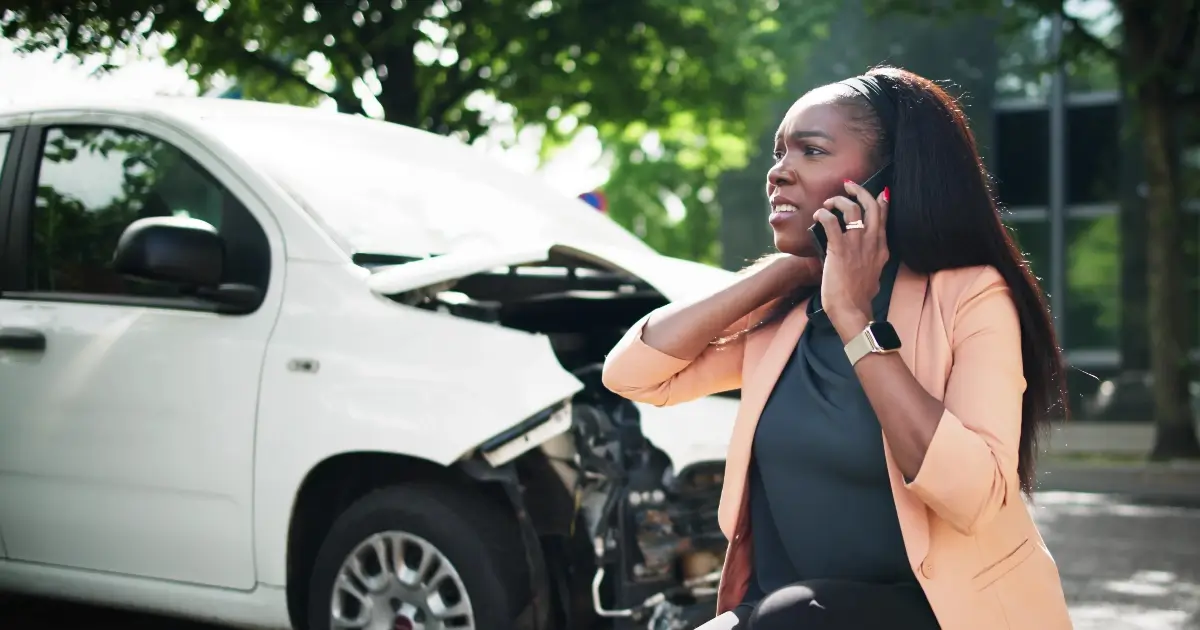
A hit-and-run accident can leave victims hurt, shaken, and uncertain about what to do next. When the at-fault driver flees, it can make an already stressful situation even more overwhelming, especially if victims need medical care or have vehicle damage.
In Ohio, hit-and-run accidents are taken seriously, and victims may still have legal options even if the at-fault driver is never identified. Understanding what steps to take and how these cases are handled can help protect your rights and your ability to recover compensation.
What Is a Hit-and-Run Accident?
A hit-and-run accident occurs when a driver involved in a crash leaves the scene without stopping to provide identifying information or rendering aid. These accidents may involve other vehicles, pedestrians, bicyclists, motorcyclists, or property damage.
Under Ohio law, drivers are required to remain at the scene of an accident, exchange information, and assist injured individuals. Failing to do so can result in serious criminal penalties, including fines, license suspension, and criminal charges. For victims, however, the immediate concern is often how to recover physically and financially after the at-fault driver disappears.
What to Do Immediately After a Hit-and-Run
Your safety should always be the first priority. If you or anyone else is injured, call 911 immediately and request medical assistance. If it is safe to do so, remain at the scene and avoid attempting to follow or confront the fleeing driver.
Try to gather as much information as possible, including the vehicle’s color, make, model, direction of travel, and any portion of the license plate number you can recall. Take photographs of the scene, vehicle damage, skid marks, and debris. If there are witnesses present, ask for their names and contact information.
These steps can play an important role in both the police investigation and any insurance or legal claim that follows.
Why Reporting a Hit-and-Run Is Important
Reporting a hit-and-run accident to law enforcement is essential. A police report creates an official record of the incident and is often required by insurance companies when evaluating a claim.
In some cases, law enforcement may be able to identify the fleeing driver through traffic cameras, nearby surveillance footage, or witness statements. Even when the driver is not located, the report helps establish the facts of the accident and supports your right to seek compensation through available insurance coverage.
Who Pays for Damages After a Hit-and-Run Accident?
When the at-fault driver cannot be identified, compensation may still be available through your own insurance policy. Uninsured motorist coverage can help pay for medical expenses, lost wages, and pain and suffering. Collision coverage may also assist with vehicle repair costs.
Because hit-and-run claims are often closely reviewed by insurance companies, proper documentation and careful handling of the claim are critical. Mistakes or inconsistencies can delay payment or reduce the compensation you receive.
When Should You Contact a Hit-and-Run Lawyer?
If you have suffered an injury due to a hit-and-run accident, you should contact a lawyer immediately.
Hit-and-run cases often involve tight deadlines, complex insurance issues, and challenges relating to proving fault and damages. An experienced attorney can help preserve evidence, communicate with insurers on your behalf, and determine the most effective path forward based on your specific circumstances.
Reaching out early can make a meaningful difference in the outcome of your claim.
Frequently Asked Questions
1. Is a hit-and-run a crime in Ohio?
a. Yes. Leaving the scene of an accident involving injury or property damage is a criminal offense under Ohio law.
2. What if the driver is never found?
a. You may still be able to recover compensation through uninsured motorist coverage, depending on your insurance policy.
3. Should I speak with the insurance company first?
a. It is generally best to speak with an attorney before giving a recorded statement to an insurance company.
4. How long do I have to file a claim?
a. Ohio law generally imposes a two-year statute of limitations for bodily injury claims (Ohio Revised Code § 2305.10). Acting promptly is important to ensure your rights are fully protected.
Speak With a Cleveland Hit-and-Run Attorney
Being injured in a hit-and-run accident can be overwhelming, especially when the driver responsible is nowhere to be found. Injured victims are often left with unanswered questions and unexpected burdens. At Friedman, Domiano & Smith, we help Cleveland hit-and-run victims understand their rights, navigate insurance coverage, and pursue the compensation they deserve.
You don’t have to face the process alone.
Contact our team today for a free, no-obligation consultation. We handle the insurance and legal details so you can focus on your recovery and getting back on track.
Related Posts


Comments are now closed
Comments