
Ohio Comparative Fault: What Happens If You Were Partly to Blame for Your Accident?
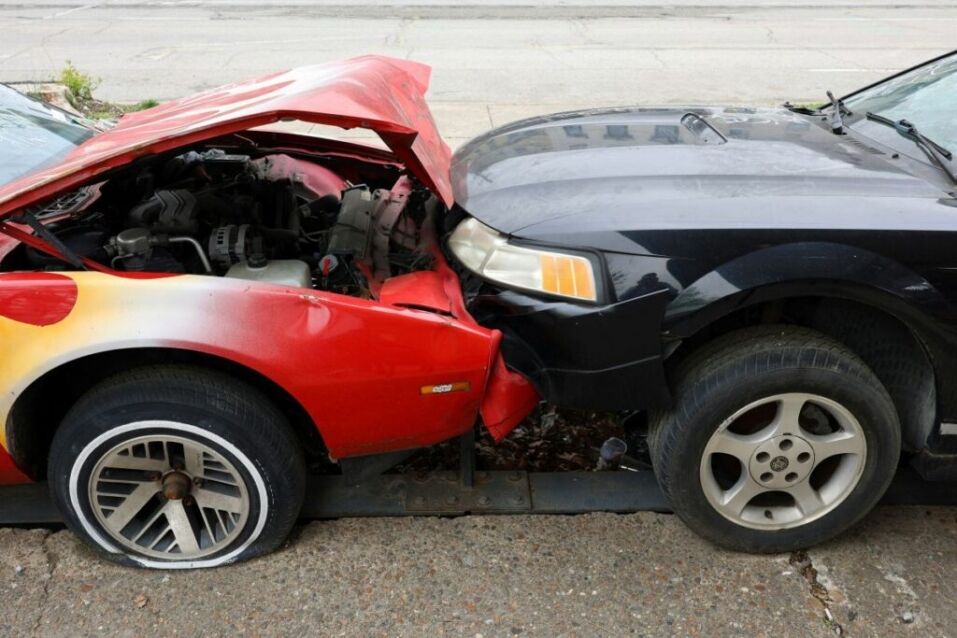

After an accident, it is common to replay the event and wonder whether one mistake will prevent you from recovering compensation.
In Ohio, sharing some responsibility does not automatically end a personal injury claim. The state uses a modified comparative fault system under Ohio comparative fault law that compares the conduct of everyone who contributed to the injury and reduces an eligible claimant’s compensation by that person’s assigned percentage of fault.
Because the difference between 50% and 51% can determine whether any recovery is available, fault allegations deserve careful review. Insurance adjusters may raise comparative negligence early, but their assessment is not the final word.
Understanding how the rule works can help Ohio accident victims avoid undervaluing a claim before the evidence has been fully examined.
What Is Comparative Fault Under Ohio Law?
Ohio’s comparative fault law allows responsibility to be divided among the people or entities who contributed to an injury.
A claimant who is partly responsible may still recover compensatory damages when their fault is no greater than the combined fault of everyone else involved. Any award is then reduced in proportion to the claimant’s percentage.
For example, a person found 20% at fault would generally receive 80% of the compensatory damages established in the case. This modified fault framework can apply to Ohio car accidents, motorcycle accidents, slip-and-fall accidents, and other negligence claims.
The analysis depends on the facts, the available evidence, and the conduct attributed to each party rather than on a single statement made immediately after the incident.
How Does Ohio’s 51% Rule Affect Your Right to Compensation?
Ohio’s 51% rule creates a sharp threshold.
A person who is 50% or less responsible may still recover damages, subject to a reduction for that share of fault. But a person found 51% or more responsible cannot recover compensatory damages from the other parties under the comparative fault statute.
The one-point difference can have a major effect on the value of an Ohio accident claim, which is why insurers often focus closely on fault allocation during negotiations. An adjuster’s percentage is a negotiating position, not necessarily a final legal determination.
If a lawsuit is tried, a jury assigns fault percentages in a jury trial, while a judge does so in a nonjury case.
You should not decide on your own that you are mostly at fault or accept a diminished claim value without having an attorney to evaluate the evidence and the applicable law.
Wondering how Ohio’s comparative fault law affects your case? Speak with an experienced Ohio personal injury attorney for a free consultation.
How Is Fault Determined After an Accident?
Fault is determined by reviewing how the accident happened and what each person did before the injury occurred.
Insurance companies may examine the police report, photographs, video, witness statements, vehicle damage, roadway conditions, property records, and statements from the people involved. Although a police report can be important, it may not resolve every dispute, particularly when the officer did not witness the event.
In a complex collision or premises case, accident reconstruction specialists, engineers, medical professionals, or other experts may help explain the evidence. Different drivers, witnesses, property owners, and insurers may offer conflicting accounts.
Preserving objective evidence early can make it easier to test those accounts and establish a more accurate allocation of responsibility in an Ohio personal injury claim.
How Do Insurance Companies Use Comparative Fault in Injury Claims?
Comparative fault gives an insurance company a direct financial reason to argue that the injured person shares responsibility. The insurer may point to something said at the scene, such as a recorded statement, a social media post, surveillance footage, medical records, or an alleged violation of a traffic or safety rule.
A brief apology or uncertain comment may be characterized as an admission, even when the full facts were unknown. Adjusters may also emphasize gaps or inconsistencies while giving less weight to evidence that supports the claim. Help counter an unsupported comparative fault defense with photographs, independent witnesses, electronic data, medical documentation, and a clear timeline.
When fault is disputed, careful communication matters because casual statements can be taken out of context and used to justify a lower insurance settlement offer.
What Can You Do to Protect Your Claim If Fault Is Being Disputed?
Safely document as much as you can when fault may be disputed.
Take photographs and videos of the scene. This may include vehicles, property conditions, signs, signals, debris, and visible injuries. Obtain witness names and contact information, request the police or incident report, and preserve relevant messages, clothing, damaged property, and insurance correspondence.
Seek prompt medical care and follow doctors’ recommendations to maintain a clear record of your injuries. Before all evidence is available, avoid admitting fault or guessing speed, distance, or timing.
Additionally, early legal guidance can prevent a dispute from hardening around an incomplete version of events. An attorney can serve as a buffer with the insurance company, collect evidence, evaluate fault allegations, and challenge an effort to reduce the claim without adequate support while protecting your right to pursue compensation under Ohio law.
Frequently Asked Questions About Ohio Comparative Fault
Can I still recover compensation if I was partially at fault?
Yes. Ohio law allows you to recover damages as long as you are 50% or less responsible for the accident.
What happens if I am found 20% at fault?
Your compensation would generally be reduced by 20%. For example, a $100,000 award would be reduced to $80,000.
What if both drivers blame each other for the accident?
Insurance companies and, if necessary, courts will review evidence to determine each party’s share of fault.
Does apologizing after an accident hurt my claim?
It can. Insurance companies may try to use statements made at the scene as evidence of fault.
Who decides fault in an Ohio personal injury case?
Fault may initially be determined by insurance adjusters. But, if a lawsuit is filed, a judge or jury can ultimately decide fault percentages. Do not make a liability decision on your own. Consult a skilled attorney to help you navigate any question of comparative fault.
Our experts at Friedman, Domiano & Smith are here to help you protect and understand your rights. Get your free consultation today.
Related Posts


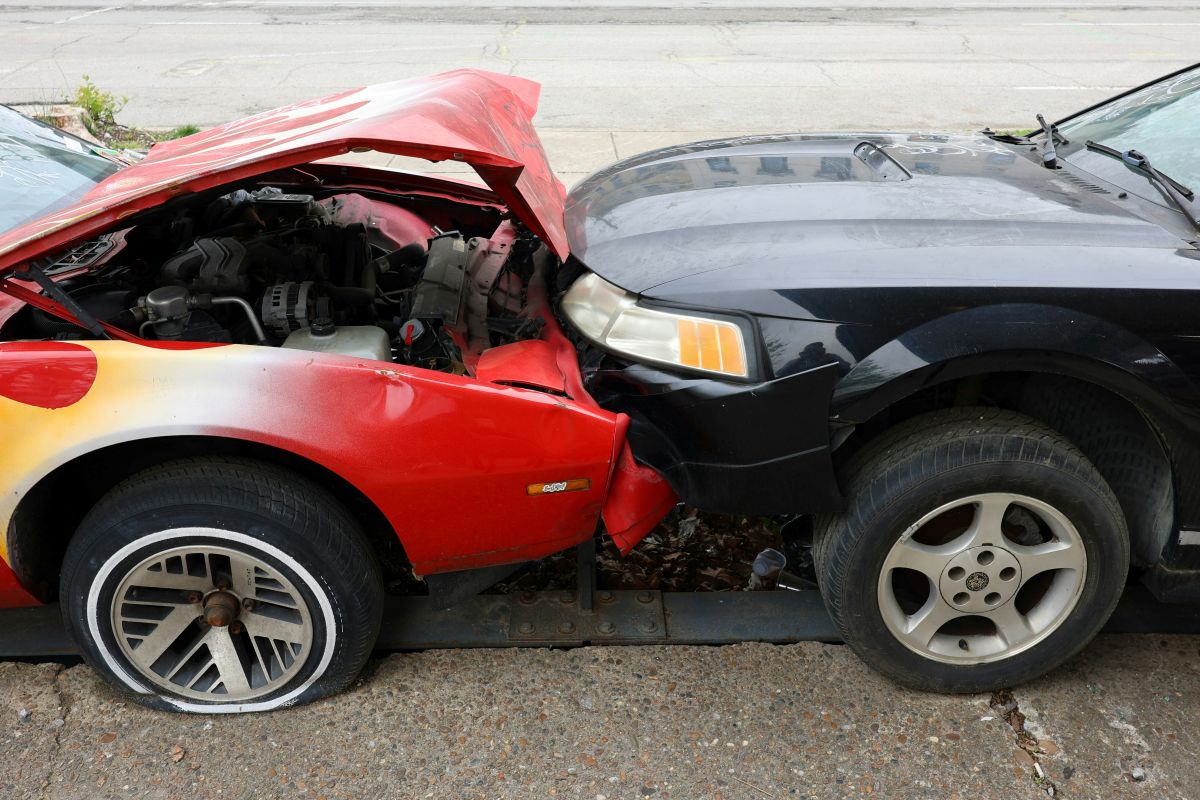

Comments are now closed
Comments