
Akron Marathon and Fall Road Race Season: Runner and Pedestrian Safety on Northeast Ohio Roads
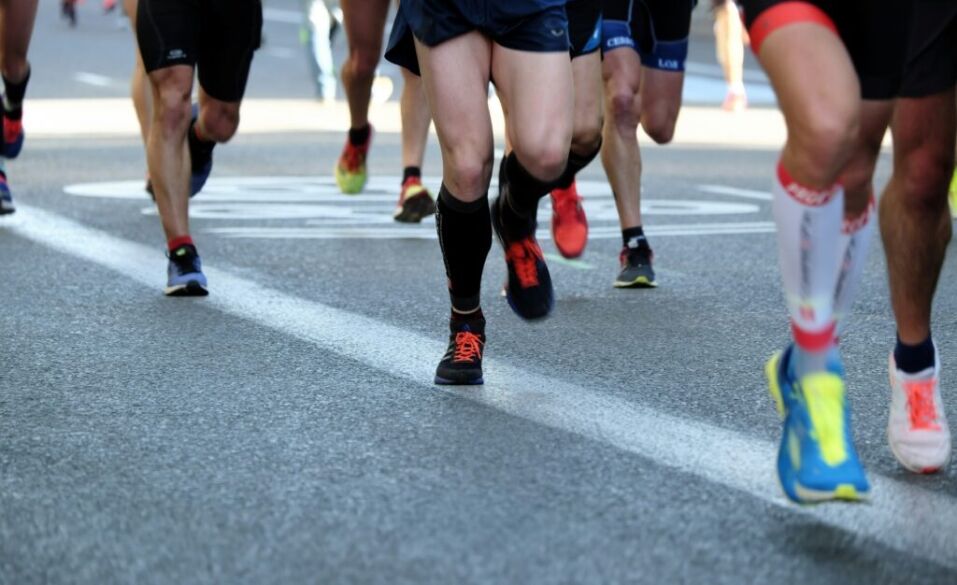

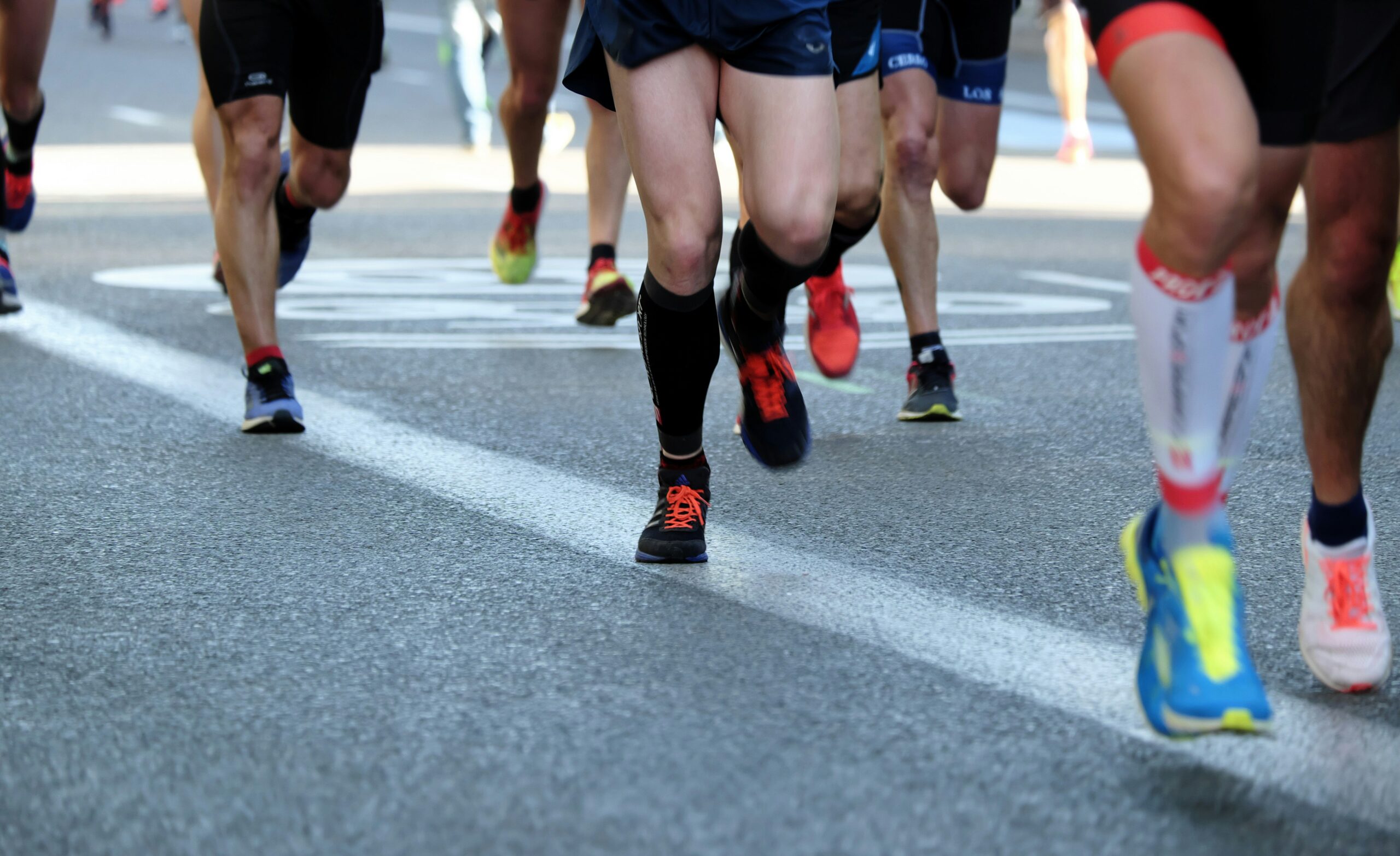
Fall road race season brings runners, spectators, volunteers, and drivers together on streets throughout Akron and Northeast Ohio. Organized events such as the Akron Marathon may involve closed roads, temporary traffic controls, course crossings, and crowded start and finish areas. Runners training outside an official event often share open roads with everyday traffic.
These conditions can become dangerous when drivers are distracted or impatient, when runners enter an intersection without a clear view, or when pavement, debris, weather, and changing traffic patterns create unexpected hazards.
Safety is always the first priority. However, an injured runner or pedestrian should also understand that responsibility depends on the specific location, right-of-way rules, traffic controls, and conduct of everyone involved. A race waiver or uncertainty about who had the right-of-way should not cause someone to dismiss a potential personal injury claim without a careful review of the facts.
There’s never a charge to sit down and explain your situation to us. We’ll let you know if we can help. Contact Friedman, Domiano & Smith (FDS) today.
What Safety Risks Do Runners and Pedestrians Face During Fall Road Race Season?
Fall races can bring unusually high levels of foot traffic to intersections, course crossings, parking areas, and roads that may be closed temporarily or reopened in stages. Drivers who are unfamiliar with a detour or frustrated by delays may make sudden turns, ignore barricades, or fail to notice runners and spectators.
Crowded start, finish, and viewing areas can limit sightlines, making it harder for pedestrians to see or hear approaching traffic. Outside the controlled portion of a course, runners may encounter ordinary traffic without the protection they expected during the event.
Road and weather conditions can create additional risks. Potholes, uneven pavement, construction zones, loose debris, painted surfaces, wet leaves, and rain can also contribute to falls. It may be difficult for a runner to foresee, avoid, or react to these conditions, especially if they are experiencing fatigue late in the race.
Whether an injury involves a vehicle, a road defect, or another participant, photographs, witness accounts, course information, and traffic-control records can become important evidence.
If you were struck by a vehicle while running or walking, learn more about how our FDS team can help you understand your rights and protect your claim.
What Responsibilities Do Drivers Have Around Runners and Pedestrians?
Drivers must remain alert for runners and pedestrians, especially near intersections, crosswalks, course crossings, and areas where race signs or volunteers indicate increased foot traffic.
Under Ohio Revised Code Section 4511.46, drivers must yield in certain situations when pedestrians are lawfully crossing within a marked or unmarked crosswalk. Ohio law also requires drivers to exercise due care to avoid colliding with pedestrians, even when a pedestrian is required to yield.
Speeding, distracted driving, unsafe turns, and failure to yield can have severe consequences because a runner has little protection from the force of a vehicle. Temporary signs, barricades, cones, police directions, and course-management instructions should be strictly followed by drivers, rather than treated as suggestions.
A driver who enters a restricted area, ignores a crossing guard, or accelerates through a congested race zone may create evidence of negligence. However, the exact right-of-way analysis will still depend on the traffic signals, roadway configuration, visibility, and actions of everyone involved.
What Rules Should Runners and Pedestrians Follow on Ohio Roads?
Runners and pedestrians should use available sidewalks and follow traffic signals, race signage, volunteer directions, and designated course crossings.
When no sidewalk is available, Ohio Revised Code Section 4511.50 generally directs pedestrians to use the shoulder and remain as far away from traffic as possible. If neither a sidewalk nor a shoulder are available on a two-way road, pedestrians should stay near the outside edge and travel on the left side, facing approaching traffic.
During an organized race, participants should remain on the marked course and should not move around barriers or assume that every nearby street remains closed. Outside an officially controlled course, participation in a race or training run does not automatically provide the right-of-way.
Following these rules can reduce the risk of a running or pedestrian accident. However, a runner’s possible mistake does not automatically determine the outcome of an injury claim. Drivers still have legal responsibilities, and Ohio’s comparative fault rules require an evidence-based assessment rather than a quick conclusion at the scene.
A person who shares some responsibility for an accident may still be able to recover compensation under Ohio law. If you are worried that your actions could affect your claim, learn more about Ohio’s comparative fault rules and how an attorney can help ensure the full circumstances are considered.
Who May Be Responsible When a Runner or Pedestrian Is Injured?
A negligent driver may be responsible when their speeding, distraction, impairment, unsafe turns, or failure to yield causes a collision with a runner or pedestrian. Liability can depend on traffic signals, crosswalk placement, visibility, road closures, and each person’s actions immediately before the accident.
When a fall is caused by a pothole, debris, broken pavement, or another dangerous property condition, different questions arise. Determining liability may require examining who owned, controlled, inspected, or maintained the roadway or property, as well as any legal defenses or governmental immunity issues that may apply.
An accident that occurs during an organized race may also involve course-management decisions, contractors, traffic-control providers, property owners, or other third parties, depending on the circumstances.
Participant agreements and waivers may affect an injured runner’s legal rights. However, signing a waiver does not automatically determine the outcome of a claim. Its effect depends on the specific language of the agreement and the conduct that caused the injury.
An Ohio personal injury attorney can review event records, investigate roadway or property conditions, identify potentially responsible parties, and evaluate any waiver or immunity issues.
Looking for a partner to help you with your claim? Contact our team for a free consultation.
What Should You Do If You Are Injured During a Road Race or While Running?
Seek medical attention and report the incident to police, race officials, volunteers, or the property owner when appropriate. If you can do so safely, photograph the accident location, traffic controls, pavement conditions, vehicles, equipment, and visible injuries before the scene changes.
Obtain names and contact information from witnesses, including runners, spectators, volunteers, and nearby drivers. Preserve any materials connected to the race or injury, including:
- Registration confirmations
- Race bib information
- Participation agreements and waivers
- Course maps
- Incident and/or police reports
- Photographs and videos
- Medical records
- Fitness tracker or wearable-device data
- Communications with race organizers or insurance companies
It’s important to not assume that a race waiver, an initial statement about right-of-way, or the absence of a traffic citation automatically resolves responsibility. When it is safe to do so, contact an attorney as soon as possible. That way, evidence can be preserved and potentially responsible parties can be evaluated accordingly. Early guidance may be especially important when a claim involves surveillance footage, temporary traffic plans, government-controlled roads, or time-sensitive event records.
You do not have to sort through questions about fault, insurance, and legal responsibility on your own. If you or someone you love was injured while running or walking in Akron or elsewhere in Northeast Ohio, Friedman, Domiano & Smith is here to listen and help you understand your options.
Contact our team for a free consultation and let us help you determine what comes next.
Frequently Asked Questions About Runner and Pedestrian Accidents in Ohio
Do runners always have the right-of-way in Ohio?
No. Right-of-way depends on where the runner or pedestrian is traveling or crossing and the applicable traffic controls. However, Ohio law also provides that drivers must exercise due care to avoid colliding with pedestrians.
What if a car hits me while I am running in a crosswalk?
You may have a pedestrian accident claim, depending on the circumstances. Ohio law requires drivers to yield to pedestrians within crosswalks in specified situations, but liability depends on the signals, visibility, location, and actions of everyone involved.
Can I pursue a claim if poor road conditions caused my running injury?
Liability can depend on where the accident occurred, who owned or controlled the roadway or property, whether the responsible party knew or should have known about the dangerous condition, and whether governmental immunity or other defense applies. Learn more about claims involving slips, trips, and dangerous property conditions.
Does signing a race waiver mean I cannot pursue compensation?
Race waivers can affect legal rights, but their impact depends on their language and the circumstances surrounding the injury. The Akron Marathon Race Series Rules and Policies, for example, includes an assumption-of-risk and liability-waiver provision covering risks associated with weather, traffic, course conditions, falls, and other hazards.
An attorney should review the specific agreement and facts before determining how a waiver may affect a claim.
When should I contact an attorney after a running or pedestrian accident?
If you have been injured, contact an attorney as soon as you are safely able. An attorney can help preserve evidence, protect your interests, and determine whether a claim may be available.
Friedman, Domiano & Smith has represented injured people and families throughout Northeast Ohio for more than 40 years. If you were struck by a vehicle while running or walking, or injured because of a dangerous road or property condition, contact our team for a free consultation. There is no fee unless we recover compensation for you
Related Posts



Comments are now closed
Comments